Gijang: ask what is in season before ordering
Your trip at a glance
- Start
- Gijang Station
- Time needed
- 3–4 hours
Gijang Station → Gijang Market → Gijang Station
Contents +
Check Donghae Line frequency, market days and the full seafood price before building a meal around seasonal produce.

QUICK ANSWER
The short answer
A market visit from the Donghae Line is not automatically a seaside walk.
- Start
- Gijang Station · Exit 1
- Allow
- 3–4 hours
- Access
- About 6 minutes on foot to Gijang Market.
- City
- Busan
- Main theme
- Traditional market · Seasonal food · Donghae Line
TAKE IT WITH YOU
Turn this guide into a route you can use
Open the stops in Google Maps and keep the Korean place names ready for signs, ticket desks, and local searches.
- Start
- Gijang Station · Exit 1
- Time needed
- 3–4 hours
- Access
- About 6 minutes on foot to Gijang Market.
START & TRANSPORT
Your first leg and official transport information
Suggested exit & walk
Gijang Station · Exit 1About 6 minutes on foot to Gijang Market.The suggested exit may not be the lift exit. With luggage or mobility needs, prioritise the accessible route.Select the station to check direction-specific timetables, lifts and luggage lockers together.
Last check before you go
Check closures, bookings and weather. With large bags, arrange storage and a collection time before setting out.
Recheck last trains, transfers, works and lift availability.
Check the origin, interchange and destination separately. Maintenance can change the route, so ask station staff for day-of help.
Times vary by line, direction, weekday, weekend and holiday. For a late trip, verify the last possible interchange too.
The map links named places only. Add your chosen restaurant, performance or rest stop separately. Recheck last trains, works and facility outages with the official operator.
CHAPTER 01
The market and the coast are different destinations
A market visit from the Donghae Line is not automatically a seaside walk.
Visit Busan describes a short walk from Gijang Station to the market. Save 기장시장 and plan the market, meal and return train as the core visit.
For a coast extension, name the actual port or beach and check a new outward and return connection. If lunch takes longer or weather deteriorates, keep the market only. The broad place name Gijang cannot tell you the transfer time.
CHAPTER 02
Settle the total at the tank, not just the unit price
A displayed price may still leave the cost of the meal unresolved.
Choose the number of diners and preparation, then ask “이 무게로 조리비까지 총 얼마인가요?”—the total for this weight including preparation. Keep the item, weight, unit price and extras together in one note. Stop before committing if the explanation does not add up.
Prices on an old receipt may no longer apply. You can browse other produce and eat elsewhere; exploring the market does not require buying expensive seafood.
CHAPTER 03
Think beyond the market before buying to take away
An appealing ingredient is useful only if you can store and use it.
Without cooking facilities at your accommodation, decide how you would eat a raw ingredient before buying. Ask the seller about storage for chilled goods and avoid a large purchase before a long onward journey. Check contents and weight even for packaged dried products.
Sealed packaging is not permission to bring food into another country. Check your destination’s quarantine and customs information separately before flying. Leave enough time to ask about price and storage rather than rushing to buy before your train.
CHAPTER 04
Remember Gijang as more than one seafood restaurant
Products and display methods can be interesting without a meal.
Compare selling units around tanks and dried-food displays. One vendor’s stock does not represent the whole market. Browsing from public aisles does not require an order.
Match the actual ingredient to your order rather than relying only on a translated species name. Keep the shop and date with a meal photograph; what you ate can matter more than the price in the memory.
CHAPTER 05
Reduce the coast plan while the food is being prepared
You can reconsider the rest of the day after ordering.
If preparation takes longer, decide again about a beach or port. Market and station may be enough. Add the coast only with a specific destination and a confirmed way back.
Discuss portions and different preferences before committing. Ask rather than assume that an existing order can change. A meal suited to your group matters more than recreating a large spread from a photograph.
CHAPTER 06
Keep the Donghae Line return with your next booking
Use the actual station and direction, not the broad Gijang area.
Check the route to Gijang Station while finishing the meal. If already on the coast, do not reuse a route starting at the market. Allow for the appointment after the train as well.
With bags, confirm boarding before taking more pictures. Start returning instead of adding shops when your hands are full. A comfortable onward connection is the finish, not a completed shopping list.
REALISTIC ITINERARY
An editable route from Gijang Station
Follow the travel sequence and omit optional sections when conditions do not fit.
- Before you goGijang Station
Check the return train before entering the market.
- On arrivalGijang Market
Choose browsing, eating or shopping; agree on the total before ordering.
- Before leavingGijang Station
Return to the station unless a separate coast transfer is planned.
FOR INTERNATIONAL TRAVELERS
What to verify during the trip
- Check the Donghae Line return timetable before eating. Confirm seafood unit prices and cooking fees before ordering.
- Keep Korean place names and your accommodation address offline.
- Check opening, transport, events and weather separately.
- Ask before photographing people, interiors or working areas.
- Drop the final stop when fatigue, darkness or uncertainty grows.
- Call 1330 for tourist help, 112 for police and 119 for fire or ambulance.
FAQ
Questions before visiting Gijang Station
Can I walk the entire route from the station?
About 6 minutes on foot to Gijang Market. This describes the approach, not a guarantee that every later section is walkable; check onward legs separately.
Check official information (3)
Information checked 2026.09.13
Hours, prices and closures can change. Check the official notice before visiting.
A research-based guide, not a first-hand trip report.
CONTINUE EXPLORING
Continue at the next station
Three next trips selected by comparing city, travel themes, and available time—without simply repeating the same neighborhood.

Bujeon: a local market and Busan’s large central park
See everyday Busan at Bujeon Market, then slow down in Busan Citizens Park and learn how the former Camp Hialeah site changed over a century.
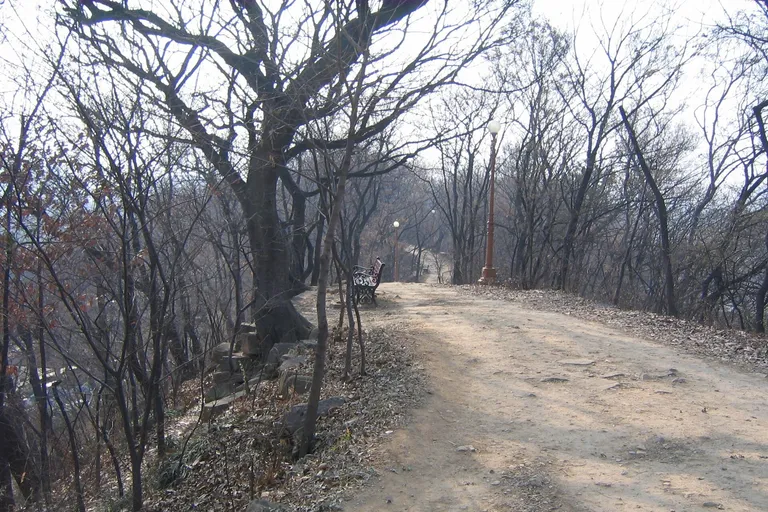
Dalseong Park: fortress, zoo and dawn market
Read an old earthen fortress, its modern conversion into a park and the labor rhythm of nearby markets.

From Jagalchi to BIFF Square: reading Busan’s old port city
A three-to-four-hour route from Nampo Station through a working seafood market, the waterfront, cinema history, and practical street-food ordering.