Dadaepo sunset begins with waiting: read the estuary, tide, and light
Your trip at a glance
- Start
- Dadaepo Beach Station
- Time needed
- 4–6 hours
Dadaepo Beach Station → Gouni boardwalk → Beach park
Contents +
A practical 4–6 hour route from Dadaepo Beach Station through the Gouni ecology boardwalk, broad sand, sunset, and an optional seasonal fountain.

QUICK ANSWER
The short answer
For a first Dadaepo visit, leave Dadaepo Beach Station about two and a half hours before sunset, walk the Gouni ecology boardwalk and beach slowly, then decide after sunset whether the official fountain schedule, weather, and your energy support staying longer. The fountain is seasonal and can change for maintenance, events, or weather, so treat it as an optional finale rather than a promise.
- Start
- Dadaepo Beach Station, Exit 4
- Time
- 4–6 hours
- Walking
- About 4–6 km
- Plan around
- Sunset, tide, wind, fountain notice
- Difficulty
- Easy–moderate; sand adds effort
- Best approach
- Arrive 2.5 hours before sunset
TAKE IT WITH YOU
Turn this guide into a route you can use
Open the stops in Google Maps and keep the Korean place names ready for signs, ticket desks, and local searches.
- Start
- Dadaepo Beach Station, Exit 4
- Time needed
- 4–6 hours
- Walking
- About 4–6 km
START & TRANSPORT
Your first leg and official transport information
Suggested exit & walk
Dadaepo Beach Station, Exit 4About 4–6 kmThe suggested exit may not be the lift exit. With luggage or mobility needs, prioritise the accessible route.Select the station to check direction-specific timetables, lifts and luggage lockers together.
- 01Dadaepo Beach Station
- 02Gouni boardwalk
- 03Beach park
- 04Safe sunset viewpoint
- 05Fountain plaza or station
Last check before you go
Check closures, bookings and weather. With large bags, arrange storage and a collection time before setting out.
Recheck last trains, transfers, works and lift availability.
Check the origin, interchange and destination separately. Maintenance can change the route, so ask station staff for day-of help.
Times vary by line, direction, weekday, weekend and holiday. For a late trip, verify the last possible interchange too.
The map links named places only. Add your chosen restaurant, performance or rest stop separately. Recheck last trains, works and facility outages with the official operator.
SUNSET COUNTDOWN 01
Plan backward from sunset, not forward from the station
Choose where you want to be when the sun drops, then protect the time needed to get there calmly.
Sunset shifts dramatically through the year. Arriving at the published minute leaves no time to understand the size of the beach, the wind, or a safe viewing position. Reach the area at least two and a half hours earlier, explore the ecology trail first, and settle near a safe beach or park viewpoint 60–90 minutes before sunset.
Saha-gu’s 2026 schedule runs from April 24 through September 30 and excludes Mondays. From April through August, shows start at 20:00 on weekdays and at 20:00 and 21:00 on weekends or public holidays. In September, they start at 19:30 on weekdays and at 19:30 and 20:30 on weekends or public holidays; each lasts 20 minutes. Maintenance, special events, and weather can still alter the program, so treat it as a same-day bonus.

SUNSET COUNTDOWN 02
The scenery looks like open sea, but the Nakdong River is inside it
Sand, shallow water, reed beds, and tidal channels reveal an estuary rather than a fixed beach backdrop.
Visit Busan describes Dadaepo as the meeting point of the Nakdong River and the South Sea. Compared with Busan’s eastern beaches, exposed sand and wetland processes are more visible. Rain upstream, tide level, season, and wind can make the same viewpoint look completely different.
Do not walk into wetland or tidal channels because they appear shallow. The ground and water depth are difficult to judge, and habitat lies beside visitor space. Stay on designated routes and watch the boundary between water and sand move instead of pursuing a closer photograph.

SUNSET COUNTDOWN 03
On the Gouni boardwalk, distance is part of responsible viewing
The deck protects both visitors and habitat by keeping them apart.
The boardwalk offers views of reed beds, small channels, and bird activity without entering the wetland. Move quietly, keep the route open, and use one observation point for longer rather than rushing toward every sighting.
Do not feed wildlife, collect plants, play loud audio, or block the narrow deck with tripods. Rain, high water, or repairs may close a section; follow signs and switch to the broad beach-park paths when necessary.

SUNSET COUNTDOWN 04
The beach is wider—and more tiring—than it looks on a map
Add the walk from the park to the water and back to your real distance.
Open sightlines make the water appear close, but dry sand shortens your stride. For older travelers, young children, wheelchair users, or anyone with limited stamina, the paved park and accessible viewpoints may be a better base than the deep beach.
Before dark, identify the station direction, toilets, lighting, and one recognizable return landmark. Molundae adds forest paths and slopes, so it should not be treated as a casual extension of a beach walk, especially late in the day.

SUNSET COUNTDOWN 05
The ninety minutes around sunset matter more than one instant
Watch cloud, water, sand, and people receive the changing light in different ways.
Clear skies are not the only successful condition. Low clouds can split the light, while shallow water left on the sand reflects a much larger sky. Staying in one place reveals changes in shadow, crowd density, bird movement, and color that a quick sunset photograph misses.
Cloud can hide the sun early, and winter temperature falls quickly after dark. Do not cross controls or enter a channel for a cleaner frame. Keep tripods out of walking routes and carry a wind layer if you plan to remain through the blue hour.

SUNSET COUNTDOWN 06
Make the final decision after checking the fountain and your body
An evening show, a short light walk, and an early train home are all valid endings.
On an operating day, check whether the program is an interactive water session or an evening music show. Front rows may get wet, and children need dry clothes, a towel, and shoes with grip. Follow staff barriers and announcements rather than copying where other visitors stand.
If the show is canceled or you are cold and tired, return to the station. Trains and roads can be crowded after large events. Sunset is not an incomplete experience simply because you did not collect every nighttime attraction.

REALISTIC ITINERARY
A Dadaepo afternoon designed backward from sunset
These are relative times; replace 00:00 with the actual sunset for your date.
- −02:30Dadaepo Beach Station
Check weather, closures, and the official fountain notice.
- −02:05Gouni boardwalk
Observe reeds and channels from the designated deck.
- −01:15Beach park
Rest and identify toilets and the route back.
- −00:55Safe sunset viewpoint
Stay in one place through the change of light.
- +00:25Fountain plaza or station
Choose the finale from current conditions.
FOR INTERNATIONAL TRAVELERS
Prepare for wind and return before the photograph
- Check sunset, tide, wind, rain, and local closures together.
- Stay on the ecology deck and never feed wildlife.
- Keep to paved park routes if sand mobility is difficult.
- Protect electronics and use grip footwear near an interactive fountain.
- Call 1330 for travel interpretation and 112 or 119 in an emergency.
FAQ
Questions about Dadaepo sunset and seasonal operations
How far is Dadaepo Beach from the station?
The beach park is roughly a 5–10 minute walk depending on the exit and route. Reaching the water can take longer across the broad sand.
Does the Sunset Fountain run every day?
No. The official 2026 season is April 24–September 30, excluding Mondays. April–August shows begin at 20:00 on weekdays and 20:00/21:00 on weekends or public holidays; September shifts to 19:30 and 19:30/20:30. Each lasts 20 minutes, but weather, maintenance, and events can change the program.
Can I swim at Dadaepo year-round?
No. Follow the official bathing season, supervised zones, and current safety instructions. A beach that is open for walking is not automatically open for swimming.
Is the ecology boardwalk wheelchair accessible?
Some deck and paved areas may work, but conditions change with repairs and weather. Verify the current route and avoid sand.
Should I add Molundae?
Only with enough daylight and energy. It adds forest path, slope, and navigation rather than simply extending the flat beach.
What season is best for sunset?
Spring and autumn are comfortable, winter may offer clear air, and summer adds beach and fountain programs but also heat and crowds.
Check official information (3)
Information checked 2026.09.07
Hours, prices and closures can change. Check the official notice before visiting.
A research-based guide, not a first-hand trip report.
CONTINUE EXPLORING
Continue at the next station
Three next trips selected by comparing city, travel themes, and available time—without simply repeating the same neighborhood.

When does Gwangalli night really begin? Reading the beach and bridge through changing light
A sunset-led three-to-five-hour guide from Gwangan Station through the lived neighborhood, bridge infrastructure, optional drone show, and safe return.

Daedong Sunset Begins Above Someone’s Home
Reach the viewpoint without turning residential lanes into a photo set, then descend safely after sunset.
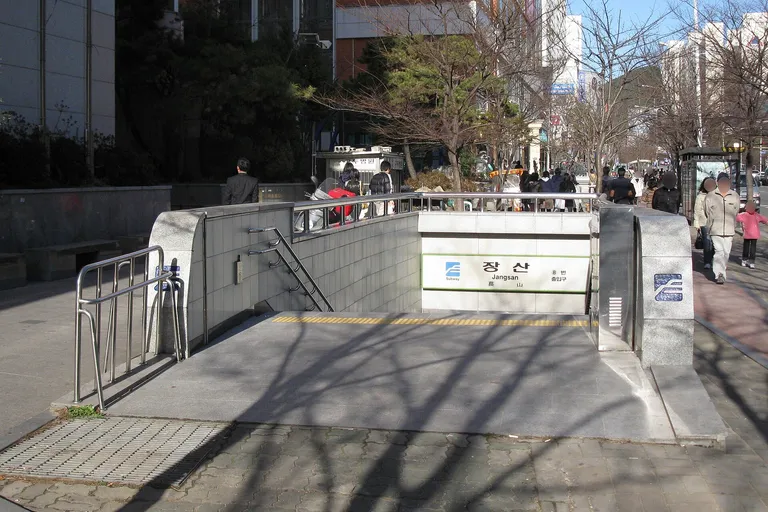
Jangsan: complete the trip below the summit
Use Daecheon Park and the lower valley as a safe route shaped by water level, restricted areas and sunset.