How not to see the National Museum of Korea in one day: an Ichon half-day
Your trip at a glance
- Start
- Ichon Station
- Time needed
- 3–5 hours
Ichon Station → Museum lobby → Selected gallery 1
Contents +
A focused strategy for international visitors: choose one historical question, read materials and power, rest, revisit one masterpiece, and finish outdoors.

QUICK ANSWER
The short answer
Reach the National Museum of Korea through the Museum Nadeulgil passage in the direction of Ichon Station Exit 2. Instead of sweeping through every permanent gallery, select one question—Korean historical chronology, Buddhist art, or ceramics—then spend two focused hours, rest, revisit one masterpiece, and finish outdoors. Allow three to five hours. Permanent galleries are free; special exhibitions may require a separate ticket or reservation.
- Start
- Ichon Station · Exit 2 direction
- Recommended time
- 3–5 hours
- Admission
- Permanent galleries free
- Late opening
- Wed & Sat to 21:00 · recheck
- Difficulty
- Easy terrain · high information load
- Foreign-language tours
- Schedule changes monthly
TAKE IT WITH YOU
Turn this guide into a route you can use
Open the stops in Google Maps and keep the Korean place names ready for signs, ticket desks, and local searches.
- Start
- Ichon Station · Exit 2 direction
- Time needed
- 3–5 hours
- Admission
- Permanent galleries free
START & TRANSPORT
Your first leg and official transport information
Suggested exit & walk
Ichon Station · Exit 2 directionCheck the first leg and transport in the route below.The suggested exit may not be the lift exit. With luggage or mobility needs, prioritise the accessible route.The capital-area network has several operators. At an interchange, verify the operator for the line you will actually board.
- 01Ichon Station
- 02Museum lobby
- 03Selected gallery 1
- 04Rest area
- 05Selected gallery 2
Last check before you go
Check closures, bookings and weather. With large bags, arrange storage and a collection time before setting out.
Recheck last trains, transfers, works and lift availability.
Check the origin, interchange and destination separately. Maintenance can change the route, so ask station staff for day-of help.
Times vary by line, direction, weekday, weekend and holiday. For a late trip, verify the last possible interchange too.
The map links named places only. Add your chosen restaurant, performance or rest stop separately. Recheck last trains, works and facility outages with the official operator.
SLOW LOOK 01
The 150 meters from Ichon Station changes the pace of the museum visit
Museum Nadeulgil is more than a passage; it is a buffer between the transport system and a very large collection.
The museum’s official directions place the National Museum of Korea about 150 meters from Ichon Station Exit 2 on Line 4 or the Gyeongui–Jungang Line. Museum Nadeulgil links the station direction to the west entrance and is described as a 255-meter connection including a 160-meter moving walkway. Elevators are available toward Exits 1 and 2, useful for luggage and mobility devices.
Opening of the passage can depend on museum closure and operating conditions, so do not assume it is available for a late outdoor visit on a closed day. Use the transition to choose one question for the day and schedule a real break. That small decision prevents the Great Hall from turning into the first moment of confusion.

SLOW LOOK 02
Use one question—not the number of rooms—to define the visit
Passing through every period can feel comprehensive while leaving no relationship in memory.
Choose a question such as: How did states and writing develop on the peninsula? How did Buddhism change visual culture? Why do Korean ceramic color and technique shift over time? The question becomes a filter. You might move from Prehistory and Ancient History into Medieval and Early Modern History, or remain in the Fine Arts galleries to compare sculpture and ceramics.
Do not read every label. Read the introduction to each period, the central text for selected objects, and write one sentence before leaving a room. Save only two or three unfamiliar terms for later research in the museum’s official collection database. Reducing movement allows more time in front of the objects that answer your question.

SLOW LOOK 03
Connect material and power instead of memorizing dynasty names
Stone, metal, paper, and ceramics become easier to place when you ask who used them and for what purpose.
For a first encounter with Korean history, notice how materials and users change across Prehistory, the Three Kingdoms, Unified Silla and Balhae, Goryeo, and Joseon. Tomb ornaments, Buddhist sculpture, Goryeo celadon, and Joseon white porcelain express not only technique and taste but also religion, political authority, trade, and everyday use. Read date, provenance, and intended user together.
Do not flatten the history of the Korean Peninsula into the present borders of the Republic of Korea. Ancient states and networks extended across complex regions, and objects reveal exchange as well as conflict. When the English label is brief, use an official English catalogue or guided program rather than treating automatic translation as the final authority.

SLOW LOOK 04
Ten minutes with one masterpiece is worth more than ten photographs
In a focused gallery, observe posture, light, surface, and empty space before raising a phone.
Famous objects encourage visitors to reproduce the same frontal photograph. Begin without the camera. Examine balance, repair, surface changes, shadow, case height, and the distance chosen by the curator. Imagine how the object’s original religious, political, or domestic setting differed from the museum. That shift reveals how an object becomes “art” inside an institution.
Even when still photography is permitted, flash, tripods, video, or individual exhibits may be restricted. The sign for the current gallery takes priority. Do not occupy the center of a popular room for long; move back before writing notes. Your personal question can sit beside the official interpretation without pretending to replace it.

SLOW LOOK 05
Rest and the outdoor garden are part of the museum
When concentration drops, stop adding objects and use the courtyard to understand the building’s spatial axis.
The experience extends beyond galleries to the Great Hall, open courtyard, reflecting pond, outdoor stone heritage, and the long view toward Namsan. After two focused hours, rest for 20 to 30 minutes, then revisit the object that remained strongest or move outside. A second look often reveals details missed during the first encounter.
Outdoor areas keep different hours and change dramatically with heat, rain, ice, and sunset. Late opening on Wednesday and Saturday gives more flexibility, but it does not mean every cafe, shop, tour, and station passage follows the gallery schedule. Verify each service separately and plan the return before the building closes.

SLOW LOOK 06
Choose language support and seated time before trying to see more
Edit the museum by theme, interpretation, and rest—not floors.
After entering the National Museum of Korea, check official guides, audio, or digital interpretation in a usable language and choose one period or material. Reading official context for a few objects, then sitting to note a connection, works better than translating every label live. When access support matters, map elevators, seats, accessible toilets, and the return route first.

REALISTIC ITINERARY
A half day designed for memory, not completion
Insert at least 20 minutes of rest for every two hours of looking, and avoid making a major special exhibition compete with the full permanent collection.
- 01 · 00:00Ichon Station
Follow signs for Exit 2 direction, Nadeulgil, and elevators.
- 02 · 00:15Museum lobby
Check closures, tours, storage, and select one question.
- 03 · 00:35Selected gallery 1
Focus on the period introduction and a few key objects.
- 04 · 01:45Rest area
Take 20–30 minutes and summarize the first section in three sentences.
- 05 · 02:15Selected gallery 2
Compare the first question through another material or period.
- 06 · 03:20Courtyard or garden
If weather permits, read the architecture and outdoor heritage.
- 07 · 04:10Ichon Station
Return with enough time to check passage operation.
FOR INTERNATIONAL TRAVELERS
Preparation for a first encounter with Korean history
- Check official hours, temporary gallery closures, and special-exhibition reservations on the day.
- Foreign-language tour schedules may change monthly; do not rely on an old fixed time.
- Permanent galleries are free, but paid exhibitions and the Children’s Museum follow separate rules.
- Current signs take priority for flash, tripods, video, and object-specific photography restrictions.
- Before carrying large luggage inside, check available storage dimensions and closing time.
FAQ
Admission, hours, language tours, and viewing strategy
How far is the museum from Ichon Station?
Official directions place it about 150 meters from Exit 2. Allow roughly 5–10 minutes through Museum Nadeulgil.
How much is admission?
Permanent galleries and free special exhibitions are free. Paid special exhibitions have separate prices and reservation conditions.
What are the National Museum of Korea opening hours?
As checked in September 2026: 09:30–17:30 on Mon, Tue, Thu, Fri, and Sun; 09:30–21:00 on Wed and Sat. Admission closes 30 minutes before closing. Recheck official notices.
How long does it take to see the whole museum?
A comprehensive visit can take more than a day. For a first visit, select one question and allow three to five hours.
Are English or Japanese tours available?
Official regular programs include foreign-language tours, but schedules can change monthly. Verify the date and meeting point.
Is it good on a rainy day?
Yes. The station connection reduces outdoor exposure. Skip the garden and devote more time to galleries and rest.
Check official information (4)
Information checked 2026.09.08
Hours, prices and closures can change. Check the official notice before visiting.
A research-based guide, not a first-hand trip report.
CONTINUE EXPLORING
Continue at the next station
Three next trips selected by comparing city, travel themes, and available time—without simply repeating the same neighborhood.

The best way to explore Bukchon is slowly and quietly
A practical, resident-first route from Anguk Station covering public hanok, neighborhood etiquette, red-zone hours, accessibility, and a realistic three-hour itinerary.
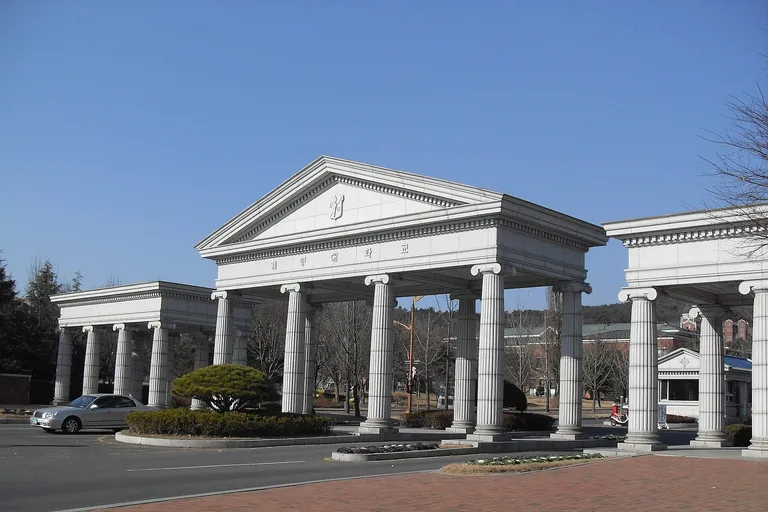
Keimyung: a campus before a filming location
Walk public campus routes, Hanhakchon and Hengso Museum while respecting classes, students and separate hours.
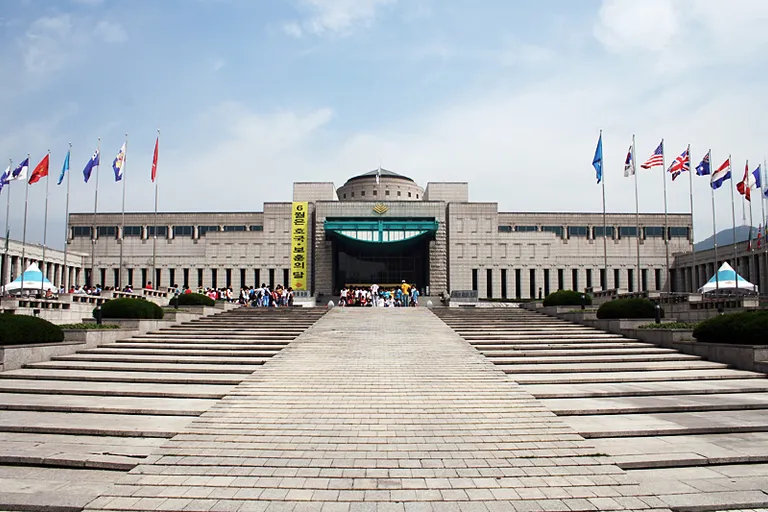
Samgakji: choose one question at the War Memorial
Focus on one thread—war, civilian life or remembrance—then read the memorial landscape and Yongsan streets.