Pyeongdong: the boundary of industry and wetland
Understand the industrial terminus, then visit Jangnok Wetland only with confirmed access, protection rules and return transport.

QUICK ANSWER
The short answer
Start at Pyeongdong Station and connect Pyeongdong Station and commuter traffic, Public roads of the industrial district, Optional Jangnok Wetland visit only while access, weather and energy support the plan. Allow 2–4 hours, but keep two places instead of forcing all three. Recheck official notices on the day.
- Start
- Pyeongdong Station
- Allow
- 2–4 hours
- Access
- Verify the route on the day
- City
- Gwangju
- Reviewed
- 2026.09.13
- Main theme
- Industrial complex · National wetland · Terminus
TAKE IT WITH YOU
Turn this guide into a route you can use
Open the stops in Google Maps and keep the Korean place names ready for signs, ticket desks, and local searches.
- Start
- Pyeongdong Station
- Time needed
- 2–4 hours
- Walking
- Verify the route on the day
STATION CHECK
Recheck the exit, lift, luggage and last train
Suggested exit & walk
Pyeongdong StationVerify the route on the dayThe suggested exit may not be the lift exit. With luggage or mobility needs, prioritise the accessible route.Lift & step-free route
Gwangju Metro Cyber StationCheck the origin, interchange and destination separately. Maintenance can change the route, so ask station staff for day-of help.Select the station to check exit facilities and first and last trains by direction.Luggage storage
Check station facilitiesLocker availability, size and operating status can change. Check the official station facility listing before travelling with bags.First & last train
Gwangju Metro Cyber StationTimes vary by line, direction, weekday, weekend and holiday. For a late trip, verify the last possible interchange too.Last check before you go
Check closures, bookings, events, access controls and weather.
Recheck last trains, transfers, works and lift availability.
Open the full route in Google Maps. Recheck last trains, works and facility outages with the city operator on the day.
CHAPTER 01
Pyeongdong Station: define the journey before leaving the gate
Understand the industrial terminus, then visit Jangnok Wetland only with confirmed access, protection rules and return transport.
Understand the industrial terminus, then visit Jangnok Wetland only with confirmed access, protection rules and return transport. Begin by deciding what evidence would answer that idea at Pyeongdong Station. A saved route is a draft, not an obligation.
Locate Pyeongdong Station and commuter traffic, the connection toward Public roads of the industrial district, a toilet and the return platform before committing to the full 2–4 hours. This first Pyeongdong Station orientation protects the rest of the day.
Save the Korean names for Pyeongdong Station and its places offline. Match the Pyeongdong Station and commuter traffic map pin with a dated operator page and the sign physically visible after arrival.
CHAPTER 02
Pyeongdong Station and commuter traffic: stay with one useful question
Use Pyeongdong Station and commuter traffic to investigate context instead of collecting a standard photograph.
At Pyeongdong Station and commuter traffic, choose one object, landscape relationship or historical claim to examine. Give this Pyeongdong Station stop enough time to become more than a background image.
Read the official explanation for Pyeongdong Station and commuter traffic, then compare it with how the space is used now. Public roads of the industrial district is worth adding only when it offers a meaningful contrast.
A staff instruction or barrier at Pyeongdong Station and commuter traffic outranks an old review. For Pyeongdong Station, prepare one short translated question rather than assuming an English desk is always available.
CHAPTER 03
Public roads of the industrial district: count the movement, not only the visit
The line on a map hides crossings, slopes, waits, heat and luggage.
Treat the move from Optional Jangnok Wetland visit to Pyeongdong Station and commuter traffic as part of the Pyeongdong Station experience. Check the Pyeongdong Station exit, crossing, slope, stop name and waiting area on the ground.
With luggage, rain or heat, a short Pyeongdong Station map line can consume the safety margin. Recalculate the remaining 2–4 hours for Pyeongdong Station before starting this transfer.
If the connection becomes uncertain, omit Pyeongdong Station and commuter traffic. A clear two-stop route from Pyeongdong Station can explain Gwangju better than a rushed checklist of three.
CHAPTER 04
Optional Jangnok Wetland visit: recognize the people and boundaries
Optional Jangnok Wetland visit is shared with residents, workers, students, worshippers or other visitors.
Optional Jangnok Wetland visit is not an empty stage for Pyeongdong Station visitors. At Optional Jangnok Wetland visit, an open gate, attractive counter or quiet lane does not automatically permit entry or close portraits.
Near Optional Jangnok Wetland visit, keep residential thresholds, work routes and emergency access clear. At this Pyeongdong Station stop, ask before photographing interiors, staff, market work or recognizable faces.
When Optional Jangnok Wetland visit grows crowded, step out of the flow or return toward Pyeongdong Station; waiting in a doorway creates friction without adding understanding.
CHAPTER 05
Pyeongdong Station: verify what can change today
Opening, last entry, transport, events and weather can change independently.
For Public roads of the industrial district, check opening, last entry, reservations, events, transport and weather as separate items. One generic Pyeongdong Station search snippet cannot answer all six.
Use the dated pages for Pyeongdong Station in the official-source section, then let station signs and on-site barriers make the final decision. Save one realistic Pyeongdong Station alternative while the phone has power.
The Pyeongdong Station information was reviewed on 2026.09.13, not guaranteed forever. Recheck the item that could cancel the Pyeongdong Station route instead of rereading undated summaries.
CHAPTER 06
Optional Jangnok Wetland visit: keep a clear route home
A shorter route is successful when it leaves enough energy and daylight to return.
Before staying longer at Optional Jangnok Wetland visit, identify a station or stop reachable with the remaining daylight, battery and energy. Do not add Public roads of the industrial district again merely to complete a list.
End at a return point you can show in Korean. Keep your accommodation address, Pyeongdong Station and the correct direction of travel available offline.
From Pyeongdong Station, tourist assistance is available at 1330; police at 112; fire and ambulance at 119. If the Pyeongdong Station plan fails, shorten the route and use the brightest, simplest connection home.
REALISTIC ITINERARY
An editable route from Pyeongdong Station
At every stop, decide whether the next place still adds enough value.
- 00:00Pyeongdong Station
Check the exit, weather, current notices and return.
- 00:30Pyeongdong Station and commuter traffic
Observe one theme, then decide whether to continue.
- 01:35Public roads of the industrial district
Observe one theme, then decide whether to continue.
- 03:00Optional Jangnok Wetland visit
Observe one theme, then decide whether to continue.
- FinishPyeongdong Station
Return by the brightest and simplest route.
FOR INTERNATIONAL TRAVELERS
What to verify during the trip
- Keep Korean place names and your accommodation address offline.
- Check opening, transport, events and weather separately.
- Ask before photographing people, interiors or working areas.
- Drop the final stop when fatigue, darkness or uncertainty grows.
- Call 1330 for tourist help, 112 for police and 119 for fire or ambulance.
FAQ
Questions before visiting Pyeongdong Station
How much time should I allow?
2–4 hours, including transfers, waiting and breaks. Remove the final stop if the schedule slips.
Can I rely only on Google Maps?
Use it for direction, then verify closures, reservations, transport changes and weather with the operator.
Is English always available?
No. Save Korean place names, your address and translated allergy or accessibility questions.
What if the main place is closed?
Keep the route near Pyeongdong Station, choose one confirmed place and return early.
SOURCES & FRESHNESS
Make the final check with the official source
This guide was reconstructed by comparing public information from the operators and institutions below.
Hours, fares, closures, bookings and transport restrictions can change after the checked date. The latest notice from the institution below takes priority over this guide.
CONTINUE EXPLORING
Continue at the next station
Three next trips selected by comparing city, travel themes, and available time—without simply repeating the same neighborhood.
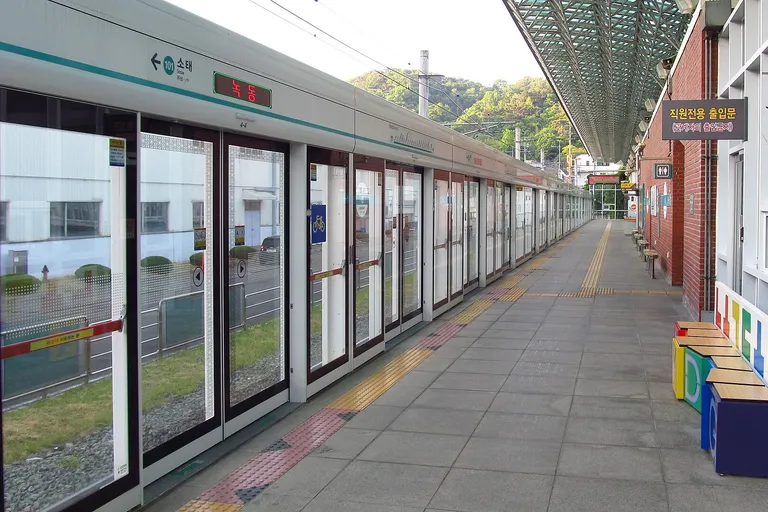
Nokdong: travel to a quiet branch-line terminus
Make the branch service itself the subject, confirm the return train first and avoid inventing a nearby attraction.
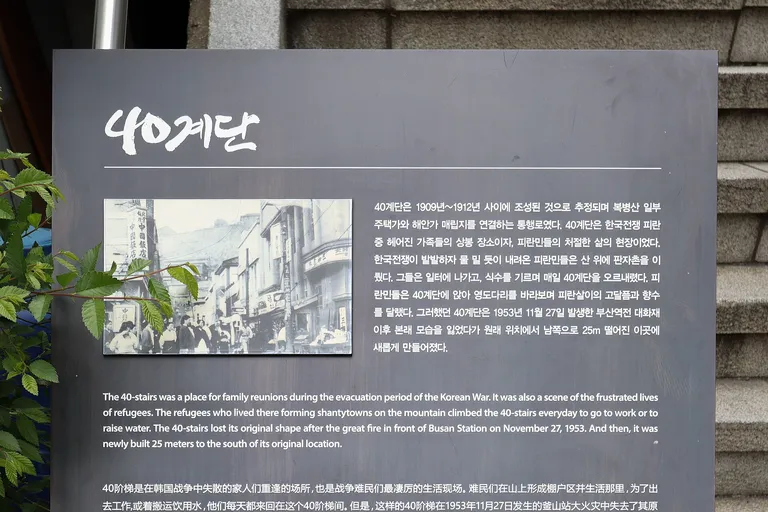
Jungang: everyday refugee history on the Forty Steps
Move beyond the sculptures to understand reunion, relief trading and work around the staircase and old port.
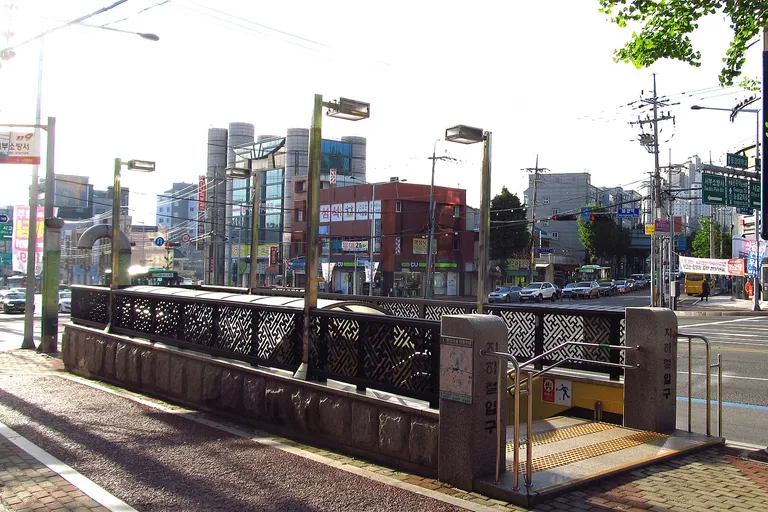
Hwajeong: read the student independence movement deeply
Transfer to the memorial hall and connect colonial education, student choices, national solidarity and remembrance.
TRAVELER COMMUNITY
Help keep this station useful for the next traveler
What you noticed at Pyeongdong Station—the exit you used, actual timing, crowds, accessibility, or a temporary change—can help the next visitor make a safer decision.
Guides, community posts, and saved trips are available without sign-in.
Posting and replies will be available after Google sign-in is connected.
Traveler Stories
Share the route you actually walked, how long it took, what worked, and what you would change.
Traveler Board
Ask a concise question about transfers, timing, transport changes, or the practicality of a plan.