Wolpyeong: slow down on a four-kilometre wetland route
Your trip at a glance
- Start
- Wolpyeong Station
- Time needed
- 3–5 hours
Wolpyeong Station the bus stops outside the station → Wolpyeong Park wetland trail → Gapcheon ecological section
Contents +
Transfer to the trailhead, then treat the official 4-km route, river levels, wet surfaces and cycle traffic as part of a quiet ecological walk.

QUICK ANSWER
The short answer
Start from Wolpyeong Station the bus stops outside the station and connect Wolpyeong Park wetland trail, Gapcheon ecological section, Wolpyeong neighborhood only when conditions support it. Allow 3–5 hours. The editorial lens is to “Observe water, vegetation and urban edges without turning the wetland into a new photo set.” Recheck official transport, opening and safety notices on the day.
- Start
- Wolpyeong Station the bus stops outside the station
- Allow
- 3–5 hours
- Access
- Verify the route on the day
- City
- Daejeon
- Editorial lens
- Observe water, vegetation and urban edges without turning the wetland into a new photo set.
TAKE IT WITH YOU
Turn this guide into a route you can use
Open the stops in Google Maps and keep the Korean place names ready for signs, ticket desks, and local searches.
- Start
- Wolpyeong Station the bus stops outside the station
- Time needed
- 3–5 hours
- Access
- Verify the route on the day
START & TRANSPORT
Your first leg and official transport information
Suggested exit & walk
Wolpyeong Station the bus stops outside the stationVerify the route on the dayThe suggested exit may not be the lift exit. With luggage or mobility needs, prioritise the accessible route.Check station-specific train times, lifts, lockers and other facilities on one official page.
- 01Wolpyeong Station the bus stops outside the station
- 02Wolpyeong Park wetland trail
- 03Gapcheon ecological section
- 04Wolpyeong neighborhood
- 05Wolpyeong Station
Last check before you go
Check closures, bookings and weather. With large bags, arrange storage and a collection time before setting out.
Recheck last trains, transfers, works and lift availability.
Check the origin, interchange and destination separately. Maintenance can change the route, so ask station staff for day-of help.
Times vary by line, direction, weekday, weekend and holiday. For a late trip, verify the last possible interchange too.
The map links named places only. Add your chosen restaurant, performance or rest stop separately. Recheck last trains, works and facility outages with the official operator.
CHAPTER 01
Leave Wolpyeong Station with the first constraint solved
Transfer to the actual trailhead instead of assuming it is at the station.
Transfer to the actual trailhead instead of assuming it is at the station. Resolve that point at Wolpyeong Station, before a saved route begins to feel compulsory.
Look first toward Wolpyeong Park wetland trail, while also locating the connection to Gapcheon ecological section. On the Wolpyeong Station route, a closure, changed bus stop or difficult surface is evidence for editing the day.
Keep the Korean name of Wolpyeong Park wetland trail offline. Match the Wolpyeong Park wetland trail map pin to a dated operator notice and the sign physically visible after arrival.
CHAPTER 02
Give Wolpyeong Park wetland trail a question, not a snapshot
Add observation and rest to the official 4-km, 80-minute route.
At Gapcheon ecological section, slow the visit down. Add observation and rest to the official 4-km, 80-minute route.
At Gapcheon ecological section, choose one object, spatial relationship or historical claim to investigate. Only add Wolpyeong neighborhood when it supplies a useful contrast to that observation.
Staff instructions at Gapcheon ecological section override an old review. For Gapcheon ecological section, prepare one short translated question instead of assuming permanent English support.
CHAPTER 03
Measure the real move toward Gapcheon ecological section
Obey river closures and keep clear of cycle traffic.
The movement from Wolpyeong neighborhood to Wolpyeong Park wetland trail is part of the story, not blank time. Obey river closures and keep clear of cycle traffic.
Between Wolpyeong neighborhood and Wolpyeong Park wetland trail, check the crossing, slope, stop name and waiting place on the ground. For Wolpyeong Station, a short map line may become the hardest section with luggage or heat.
If the transfer removes the safety margin for Wolpyeong Station, omit Wolpyeong Park wetland trail. Near Wolpyeong Station, a shorter sequence can explain the place more clearly.
CHAPTER 04
Notice who shares Wolpyeong neighborhood
At Wolpyeong neighborhood, remember that visitors share the setting with people who live, work, study or worship there.
Wolpyeong Park wetland trail is not an empty visitor stage. At Wolpyeong neighborhood, remember that visitors share the setting with people who live, work, study or worship there.
At Wolpyeong Park wetland trail, an open gate, attractive counter or quiet lane is not automatic permission to enter or make close portraits. Around Wolpyeong Park wetland trail, leave working routes and residential thresholds clear.
When Wolpyeong Park wetland trail becomes crowded, step outside the flow or continue toward Gapcheon ecological section; waiting in a doorway usually creates more friction than insight.
CHAPTER 05
Recheck today’s variable at Wolpyeong Station
For Wolpyeong Station, opening, transport, events and weather are four separate checks.
Separate the variables at Wolpyeong Station. For Wolpyeong Station, opening, transport, events and weather are four separate checks.
For Gapcheon ecological section, opening, last entry, reservations, events, transport and weather controls can change independently. Check the Gapcheon ecological section item that matters rather than a generic summary.
Save one realistic alternative near Wolpyeong Station while the phone has power. At Wolpyeong Station, do not build the day around an undated screenshot.
CHAPTER 06
Protect the return from Wolpyeong neighborhood
The route from Wolpyeong neighborhood is complete only when the return remains simple and legible.
Protect the journey home from Wolpyeong neighborhood. The route from Wolpyeong neighborhood is complete only when the return remains simple and legible.
Before staying longer at Wolpyeong neighborhood, identify the station or stop that remains reachable with the remaining daylight and energy. Wolpyeong Park wetland trail does not have to be added again.
End the Wolpyeong Station route at a return point you can name in Korean. After heavy rain, in extreme heat or on ice, do not enter the wetland trail; use an indoor neighborhood plan.
REALISTIC ITINERARY
An editable route from Wolpyeong Station
At every stop, decide whether the next place still adds enough value.
- 00:00Wolpyeong Station the bus stops outside the station
Check current operations, route, weather and return.
- 00:30Wolpyeong Park wetland trail
Transfer to the actual trailhead instead of assuming it is at the station. Reassess before moving on.
- 01:40Gapcheon ecological section
Add observation and rest to the official 4-km, 80-minute route. Reassess before moving on.
- 03:10Wolpyeong neighborhood
Obey river closures and keep clear of cycle traffic. Reassess before moving on.
- FinishWolpyeong Station
Use the safest practical route back.
FOR INTERNATIONAL TRAVELERS
Practical checks for international visitors
- Transfer to the actual trailhead instead of assuming it is at the station.
- Add observation and rest to the official 4-km, 80-minute route.
- Obey river closures and keep clear of cycle traffic.
- Keep Wolpyeong Station, the place names and your accommodation address in Korean.
- Use 1330 for travel interpretation and 112 or 119 for emergencies.
FAQ
Before visiting Wolpyeong Station
What if the main plan fails?
After heavy rain, in extreme heat or on ice, do not enter the wetland trail; use an indoor neighborhood plan.
Check official information (3)
Information checked 2026.09.12
Hours, prices and closures can change. Check the official notice before visiting.
A research-based guide, not a first-hand trip report.
CONTINUE EXPLORING
Continue at the next station
Three next trips selected by comparing city, travel themes, and available time—without simply repeating the same neighborhood.

The Two Sides of Daejeon Station: A Railway-City Arrival Guide
Read the station, Soje-dong, adaptive reuse, and the next train as one 3–5-hour arrival plan.
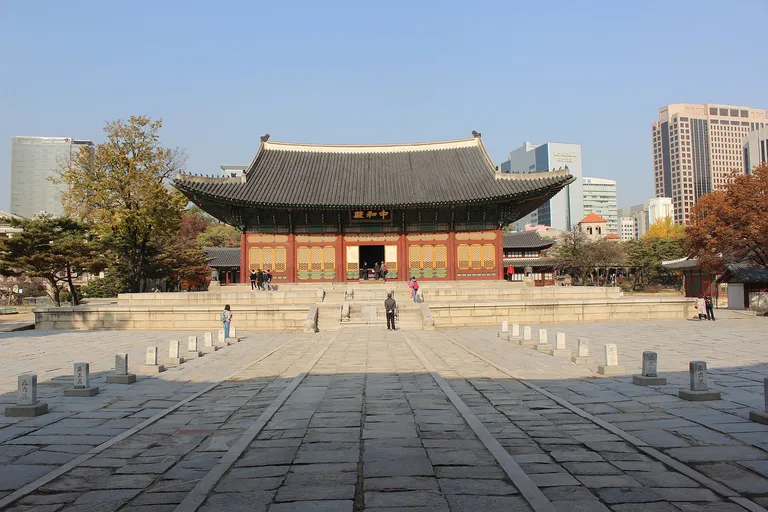
City Hall: three eras within one Seoul block
Connect late-royal Deoksugung, modern Jeongdong and today’s civic square while checking closures and public events.
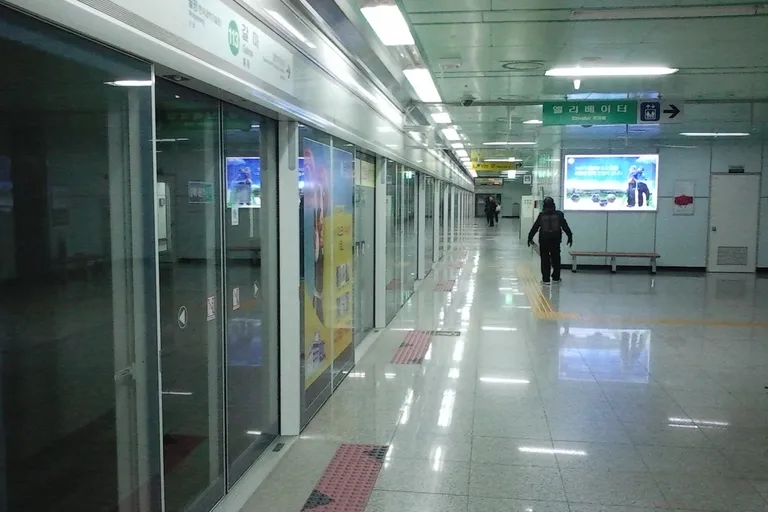
Galma: independent shops inside a lived-in neighborhood
Choose one small shop, respect homes and queues, and keep the late-night return more important than a trend list.