The Two Sides of Daejeon Station: A Railway-City Arrival Guide
Your trip at a glance
- Start
- Daejeon Station
- Time needed
- 3–5 hours
Daejeon Station → East plaza → Soje-dong
Contents +
Read the station, Soje-dong, adaptive reuse, and the next train as one 3–5-hour arrival plan.

QUICK ANSWER
The short answer
At Daejeon Station, store luggage and protect your departure time first, then choose either the west-side old city or the east-side Soje-dong as the main route. For a 3–5-hour east-side walk, treat former railway housing, adaptive reuse, residents, and redevelopment as overlapping layers and return to the station at least 40 minutes before your train.
- Start
- Daejeon Station
- Transit
- Line 1 · KTX · SRT
- Recommended time
- 3–5 hours
- Route
- 5 key stops
TAKE IT WITH YOU
Turn this guide into a route you can use
Open the stops in Google Maps and keep the Korean place names ready for signs, ticket desks, and local searches.
- Start
- Daejeon Station
- Time needed
- 3–5 hours
- Transit
- Line 1 · KTX · SRT
START & TRANSPORT
Your first leg and official transport information
Suggested exit & walk
Daejeon StationCheck the first leg and transport in the route below.The suggested exit may not be the lift exit. With luggage or mobility needs, prioritise the accessible route.Check station-specific train times, lifts, lockers and other facilities on one official page.
- 01Daejeon Station
- 02East plaza
- 03Soje-dong
- 04Traveler hub
- 05Station interior
Last check before you go
Check closures, bookings and weather. With large bags, arrange storage and a collection time before setting out.
Recheck last trains, transfers, works and lift availability.
Check the origin, interchange and destination separately. Maintenance can change the route, so ask station staff for day-of help.
Times vary by line, direction, weekday, weekend and holiday. For a late trip, verify the last possible interchange too.
The map links named places only. Add your chosen restaurant, performance or rest stop separately. Recheck last trains, works and facility outages with the official operator.
Adjust your visit
Choose one side of Daejeon Station today
Compare Soje-dong on the east for railway-neighborhood interest with the western old center for streets and visitor information. Do not make a short layover a tour of both sides.
Soje-dong works as a walk through a changing railway neighborhood, not a café checklist. Between trains, one area east of the station is a more manageable choice.
Can I leave for the lanes on a two-hour layover?
Subtract luggage handling and return allowance first. Searching for a locker or waiting for food can use the spare time. With a fixed onward train and uncertain remaining time, omit Soje-dong and eat or rest in the station. This half-day neighborhood walk is not the four-hour layover example.
When should I turn back from Soje-dong?
Save the ticket time and your return entrance before leaving. Choose one meal stop and recalculate your return deadline before joining a long queue. A travel lounge or café being open does not guarantee luggage storage; omit a long lane walk if you cannot leave your bags.
Is there an indoor version of the housing walk?
This is not a public indoor museum with access to every house. In heavy rain, omit the lanes and east–west detour and rest in the station. If one particular café is your purpose, check its opening, queues and spending before choosing it; that is not a substitute for seeing the whole neighborhood.
How can I read the neighborhood beyond its cafés?
Approach Soje-dong from the east square and compare low roofs, walls and lane widths with the commercial spaces open to visitors. Read the official account of railway housing to distinguish former residential use from current uses; an old exterior does not establish that every house was a railway residence. Stay out of private homes and yards. With a booked train, return to the station rather than adding the old center on the west side.
Check official information before leaving
These are planning suggestions. Follow official notices and on-site signs for current opening and access conditions.
ARRIVAL NOTE 01
Daejeon Station has two different fronts
The west faces markets and the old center; the east faces railway institutions and Soje-dong.
Orient yourself before chasing a landmark. The tracks both divide the city and connect it nationally.
A short layover cannot cover both sides well. This guide chooses the east; the existing Jungangno guide covers the market axis.

ARRIVAL NOTE 02
Read rail direction before the twin office towers
The city grew from flows of people and freight, not one skyline object.
Platforms, lines, and plazas explain why commerce and housing formed where they did. Modern railway offices represent the system that continues today.
Stay behind platform safety lines and out of operational areas. Photograph only where passenger movement remains clear.

ARRIVAL NOTE 03
Preservation and commercialization share the same Soje-dong doorway
Former railway homes are labor and colonial-era records, not merely “retro” cafés.
Some old housing has become restaurants or cultural spaces. Reuse can save buildings while also obscuring displacement, rent, and redevelopment.
Enter only clearly public businesses. Never photograph private windows, yards, or residents without consent, and keep delivery paths open.

ARRIVAL NOTE 04
A traveler hub should return time, not only sell souvenirs
Use it to verify storage, transport, charging, and current operations.
Daejeon Tourism lists guidance and luggage services near the station, but availability can change. Check immediately on arrival and keep the railway station or hotel as backup.
Set your return alarm before entering the lanes. Walking to the building entrance is not the same as reaching the correct platform.

ARRIVAL NOTE 05
Leave forty minutes for the station to be a successful ending
Add payment, crossings, toilets, lifts, and platform navigation.
Return earlier during weekends and festivals. Do not let a café queue decide whether you miss an intercity train.
Seal food, manage temperature-sensitive items, and check import rules before carrying products abroad.

ARRIVAL NOTE 06
The first fifteen minutes decide the quality of a Daejeon arrival
Resolve the exit, luggage, next train, and public-route boundary before entering the city.
At Daejeon Station, confirm east versus west before following a place name. Set a platform-return margin for the next KTX, SRT, or conventional train, then check locker size, availability, and conditions on site. If luggage storage fails, replace the full Soje-dong walk with a station-area version instead of dragging a large case through the neighborhood.
Soje-dong layers former railway housing, reused shops, current homes, and construction on the same lanes. An open cafe does not make a neighbor’s yard public, and screens or residential doors are not photo subjects. Save a Korean return point such as “대전역 동광장,” and be inside the station at least forty minutes before departure to recheck the train and platform.


REALISTIC ITINERARY
- 00:00Daejeon Station
Store luggage and set the return time.
- 00:25East plaza
Read the railway-city structure.
- 00:50Soje-dong
Separate public shops from private property.
- 02:30Traveler hub
Reset transport and departure needs.
- 03:20Station interior
Return at least 40 minutes before the train.
FOR INTERNATIONAL TRAVELERS
- Check luggage storage on arrival.
- Stay out of railway work, construction, and private residential areas.
- Ask before photographing people, windows, or yards.
- Return at least 40 minutes before departure.
FAQ
How far is Soje-dong?
Allow roughly ten minutes from the east plaza, depending on your destination and crossings.
Can I leave luggage?
Services and capacity vary; verify at the station or traveler hub immediately.
Is a two-hour layover enough?
Keep it to the station, east plaza, and one nearby stop.
Can I enter old houses?
Only clearly operating public businesses or exhibitions.
Check official information (3)
Information checked 2026.09.08
Hours, prices and closures can change. Check the official notice before visiting.
A research-based guide, not a first-hand trip report.
CONTINUE EXPLORING
Continue at the next station
Three next trips selected by comparing city, travel themes, and available time—without simply repeating the same neighborhood.

A one-way old-town walk from Jungangno to Daejeon Station
A practical station-to-station route linking culture streets, Daejeoncheon, Jungang Market, railway history, and a realistic stopover timetable.
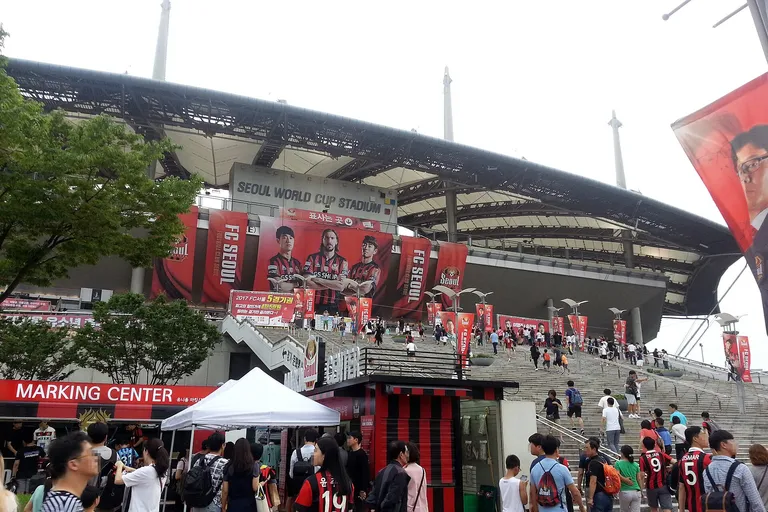
World Cup Stadium: three forms of urban reuse
Compare a stadium, converted oil tanks and a restored landfill park without underestimating the scale of the area.

How to Stop Traveling Fast at Daejeon National Cemetery
Use the station shuttle and place bereaved families, ceremony, and one historical theme before photography.