Hwanggeum: ancient Yeongnam and textile culture
Your trip at a glance
- Start
- Hwanggeum Station
- Time needed
- 3–4 hours
Hwanggeum Station → Ancient Culture Gallery → Textile and Costume Gallery
Contents +
Transfer to Daegu National Museum and focus on one thread across archaeology, art or costume and textiles.

QUICK ANSWER
The short answer
Daegu National Museum's clothing gallery lets you read dress as a record of life and ceremony.
- Start
- Hwanggeum Station · Exit 1
- Allow
- 3–4 hours
- Access
- Daegu National Museum is about 1.5 km away; a bus or taxi connection is recommended.
- City
- Daegu
- Main theme
- National museum · Costume · Indoor trip
TAKE IT WITH YOU
Turn this guide into a route you can use
Open the stops in Google Maps and keep the Korean place names ready for signs, ticket desks, and local searches.
- Start
- Hwanggeum Station · Exit 1
- Time needed
- 3–4 hours
- Access
- Daegu National Museum is about 1.5 km away; a bus or taxi connection is recommended.
START & TRANSPORT
Your first leg and official transport information
Suggested exit & walk
Hwanggeum Station · Exit 1Daegu National Museum is about 1.5 km away; a bus or taxi connection is recommended.The suggested exit may not be the lift exit. With luggage or mobility needs, prioritise the accessible route.Use the Cyber Station for internal facilities, accessibility, exits and direction-specific train times.
- 01Hwanggeum Station
- 02Ancient Culture Gallery
- 03Textile and Costume Gallery
- 04Outdoor display or special exhibition
- 05Hwanggeum Station
Last check before you go
Check closures, bookings and weather. With large bags, arrange storage and a collection time before setting out.
Recheck last trains, transfers, works and lift availability.
Check the origin, interchange and destination separately. Maintenance can change the route, so ask station staff for day-of help.
Times vary by line, direction, weekday, weekend and holiday. For a late trip, verify the last possible interchange too.
The map links named places only. Add your chosen restaurant, performance or rest stop separately. Recheck last trains, works and facility outages with the official operator.
CHAPTER 01
Look beyond color to the wearer's role
Daegu National Museum's clothing gallery lets you read dress as a record of life and ceremony.
The museum introduces headwear, shoes, ceremonial dress and embroidery. Choose one outfit, read who wore it and when, then examine sleeves, fastenings and waist accessories. Similar colors do not establish the same rank or use.
The jobok photograph is a historical exhibition record. Use it to consider the robe and belt together, not as a guarantee that this object is currently displayed in the same place. Check labels for originals, replicas and reconstructions.

CHAPTER 02
Change scale between a small object and an outdoor pagoda
Moving outside after jewelry or textiles changes both material and scale.
Indoors, examine detail through glass; outside, step back to see how the pagoda's tiers and roof stones repeat. Read the period and original location on the interpretation rather than treating an artifact as building decoration.
Do not assign a monument name or date from its photograph alone. Follow the label, and spend longer with an indoor object if outdoor access is unavailable. Check flash and tripod rules before taking photographs.

CHAPTER 03
Hwanggeum is not the only approach
Compare the final journey with your accommodation and transfer burden.
Save 국립대구박물관, 321 Cheongho-ro, Suseong-gu, Daegu. The official directions also describe a bus transfer from Manchon. If you start near Line 2, do not detour through Hwanggeum simply because this guide starts there. Check current routes instead of copying an old bus list.
Choose clothing, another permanent gallery or a temporary show as your priority. Late arrivals should start there. Activity bookings may differ from general admission, and a rainy-day museum visit still has an outdoor approach.
CHAPTER 04
Read one detail beyond the colour
A fastening or sleeve can become your memory of the clothing gallery.
Choose a detail and find the wearing context on its label. Compare decoration and movement, but do not infer historical comfort or status from appearance alone.
Where allowed, pair a whole-object photo with a detail and its name. A small sketch can work instead. Follow differences of period and use rather than treating every outfit as one uniform tradition.
CHAPTER 05
Decide about a temporary exhibition after the permanent rooms
Think about how much time and energy you have after the permanent galleries.
Check dates and separate entry conditions, not just the title. After a substantial visit, saving another exhibition for later may be better than rushing it. Old program publicity does not establish today’s activities.
Ask each companion which object held their attention. Jewellery and an outdoor pagoda may prompt different answers. Sharing those impressions can help you notice details you passed by.
CHAPTER 06
Your return need not be through Hwanggeum
The next destination may differ from the morning’s starting point.
Search again from the museum for your accommodation or dinner. A guide named after Hwanggeum does not require a round trip through it when another route suits you. Check current transport before choosing a transfer.
With rain or bags, distinguish short map distance from a comfortable journey. Leave energy for the boarding point and keep the outdoor pagoda optional. One well-read object can make a complete visit.
REALISTIC ITINERARY
An editable route from Hwanggeum Station
Follow the travel sequence and omit optional sections when conditions do not fit.
- StartHwanggeum Station
Check the exit, weather, current notices and return.
- Stop 1Ancient Culture Gallery
Suggested visit: 80 minutes. Add transfer and waiting time separately.
- Stop 2Textile and Costume Gallery
Suggested visit: 75 minutes. Add transfer and waiting time separately.
- Stop 3Outdoor display or special exhibition
Suggested visit: 60 minutes. Add transfer and waiting time separately.
- FinishHwanggeum Station
Return by the brightest and simplest route.
FOR INTERNATIONAL TRAVELERS
What to verify during the trip
- Choose a permanent gallery only if it is open when a special exhibition has ended. Plan onward transport for your next destination; returning via Hwanggeum is not required.
- Keep Korean place names and your accommodation address offline.
- Check opening, transport, events and weather separately.
- Ask before photographing people, interiors or working areas.
- Drop the final stop when fatigue, darkness or uncertainty grows.
- Call 1330 for tourist help, 112 for police and 119 for fire or ambulance.
FAQ
Questions before visiting Hwanggeum Station
Can I walk the entire route from the station?
Daegu National Museum is about 1.5 km away; a bus or taxi connection is recommended. This describes the approach, not a guarantee that every later section is walkable; check onward legs separately.
Check official information (5)
Information checked 2026.09.13
Hours, prices and closures can change. Check the official notice before visiting.
A research-based guide, not a first-hand trip report.
CONTINUE EXPLORING
Continue at the next station
Three next trips selected by comparing city, travel themes, and available time—without simply repeating the same neighborhood.
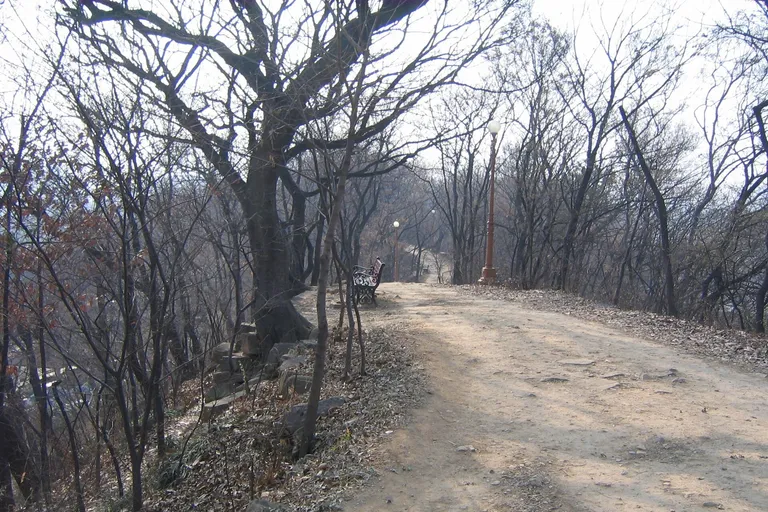
Dalseong Park: fortress, zoo and dawn market
Read an old earthen fortress, its modern conversion into a park and the labor rhythm of nearby markets.

Art, architecture, and democratic memory from ACC Station
A thoughtful half-day route through the Asia Culture Center, May 18 memory sites, and Chungjang-ro with program, language, and accessibility planning.
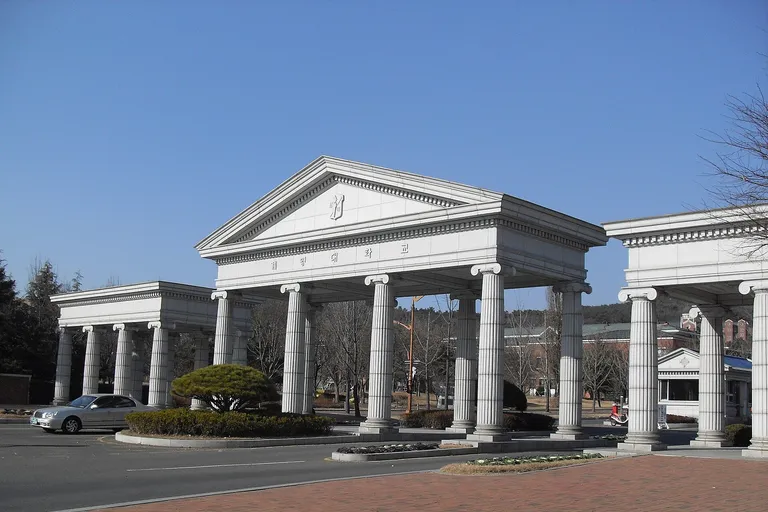
Keimyung: a campus before a filming location
Walk public campus routes, Hanhakchon and Hengso Museum while respecting classes, students and separate hours.